Abstract
The world is undergoing a profound energy transformation driven by climate change, geopolitical uncertainty, technological advances, and evolving energy demand. Increasingly frequent extreme weather events and growing concerns over energy security have accelerated the transition toward cleaner, more resilient, and sustainable energy systems. At the same time, emerging trends such as artificial intelligence, data centers, and electrification are reshaping the energy landscape. Achieving a successful energy transition requires balancing energy security, environmental sustainability, economic competitiveness, and technological innovation. Through renewable energy deployment, grid modernization, energy storage, and cross-sector collaboration, the transition offers a unique opportunity to build a more sustainable, resilient, and prosperous future.
Speaker
Abstract
As Asia faces the dual challenge of rapid economic growth and escalating climate vulnerability, the region’s energy transition stands at a critical juncture. This panel will explore practical pathways for deep decarbonisation in Asia, focusing on renewable energy, energy efficiency, electrification, energy storage, smart grids, low-carbon fuels, carbon management, and emerging technologies. It will also examine how policy, finance, and regional cooperation can accelerate the transition while maintaining energy security, affordability, and economic competitiveness.
A key focus will be the role of education and curriculum development in preparing the next generation for the clean-energy transition. Integrating decarbonisation, climate solutions, sustainable energy, and systems thinking into university and professional curricula will be essential to developing the workforce needed to achieve long-term net-zero goals. The panel will bring together experts from academia, industry, government, and international organisations to discuss how Asia can translate ambition into practical, scalable, and inclusive decarbonization pathways.
Moderator
Panel Speakers
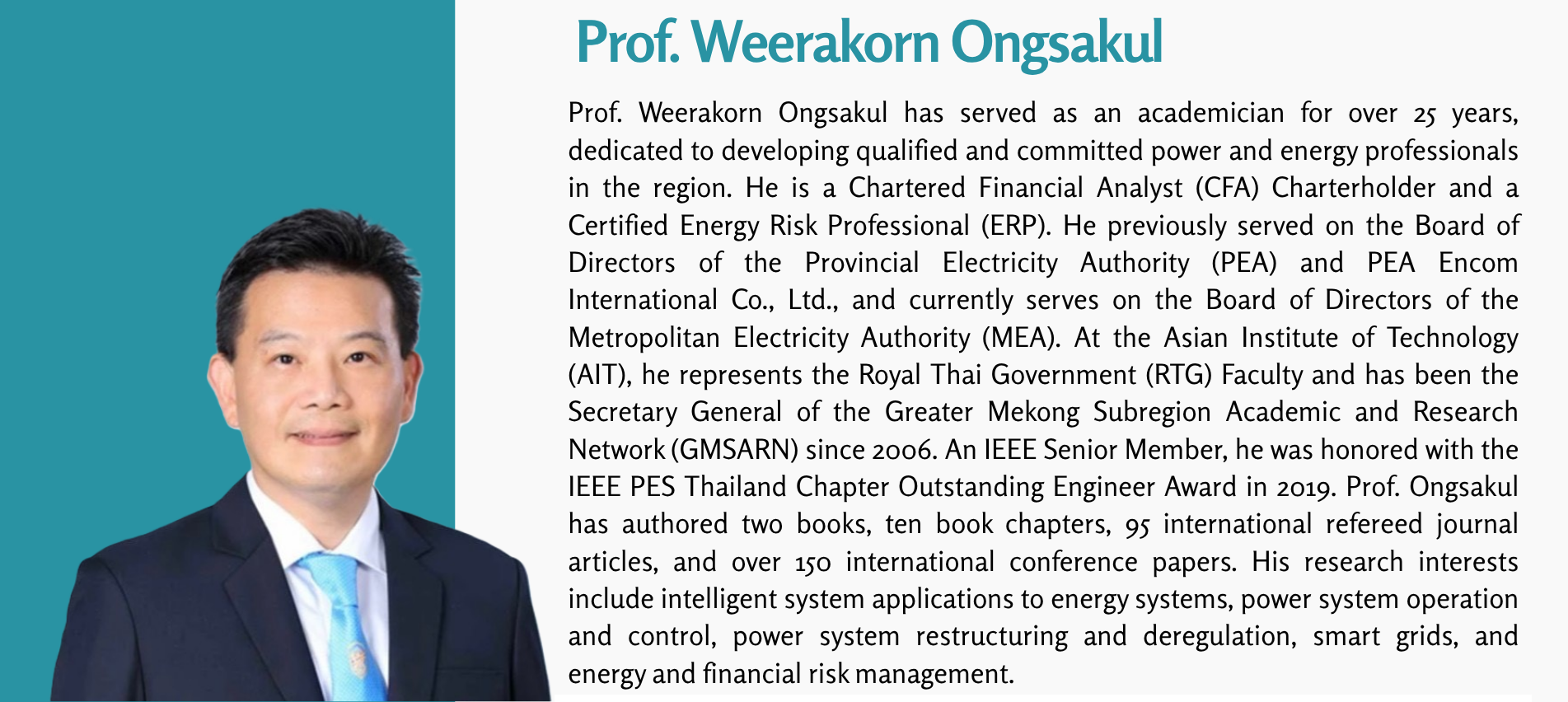
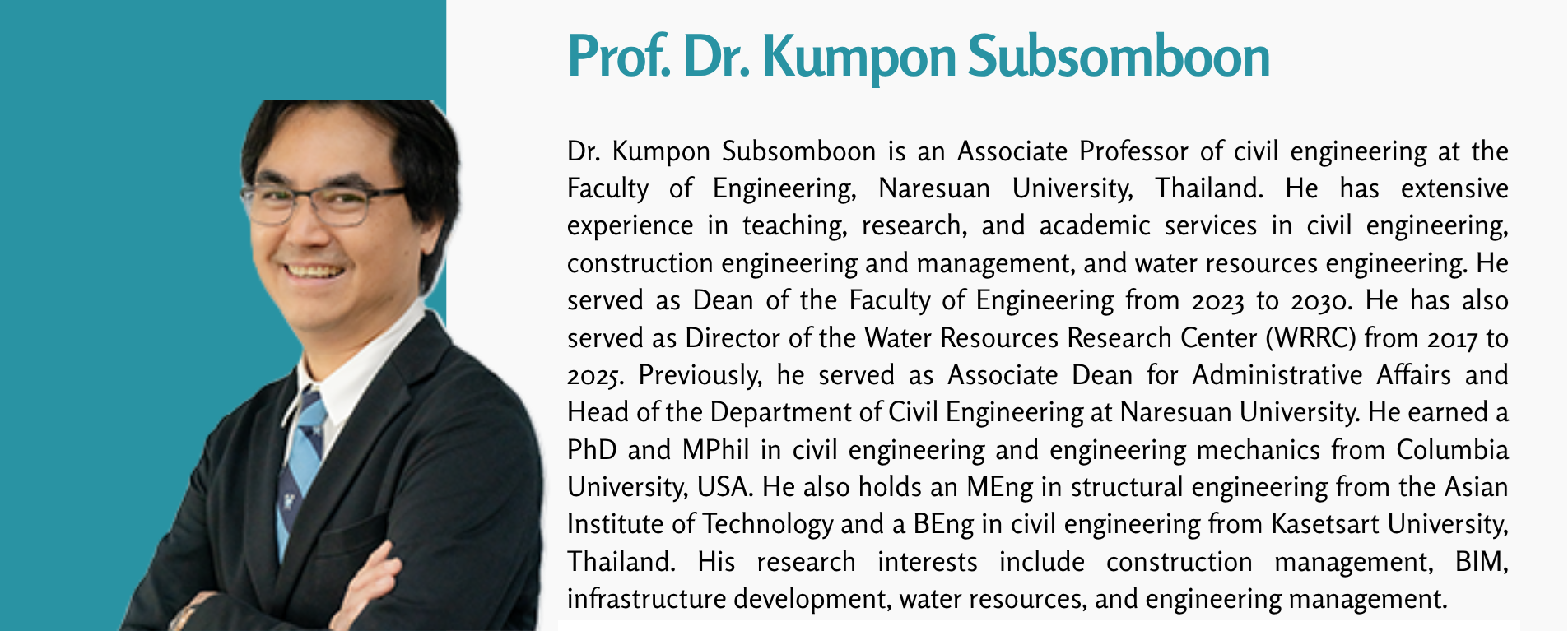
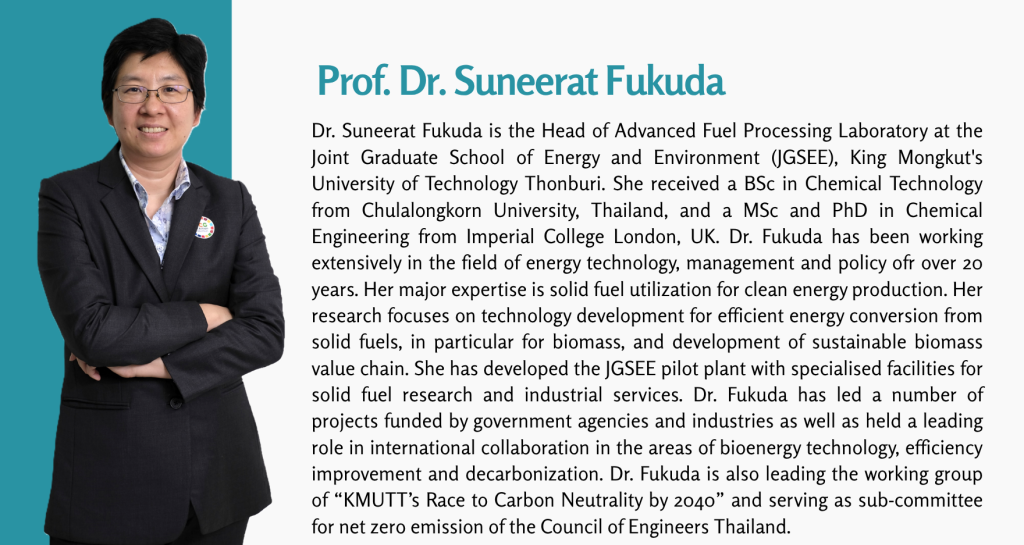
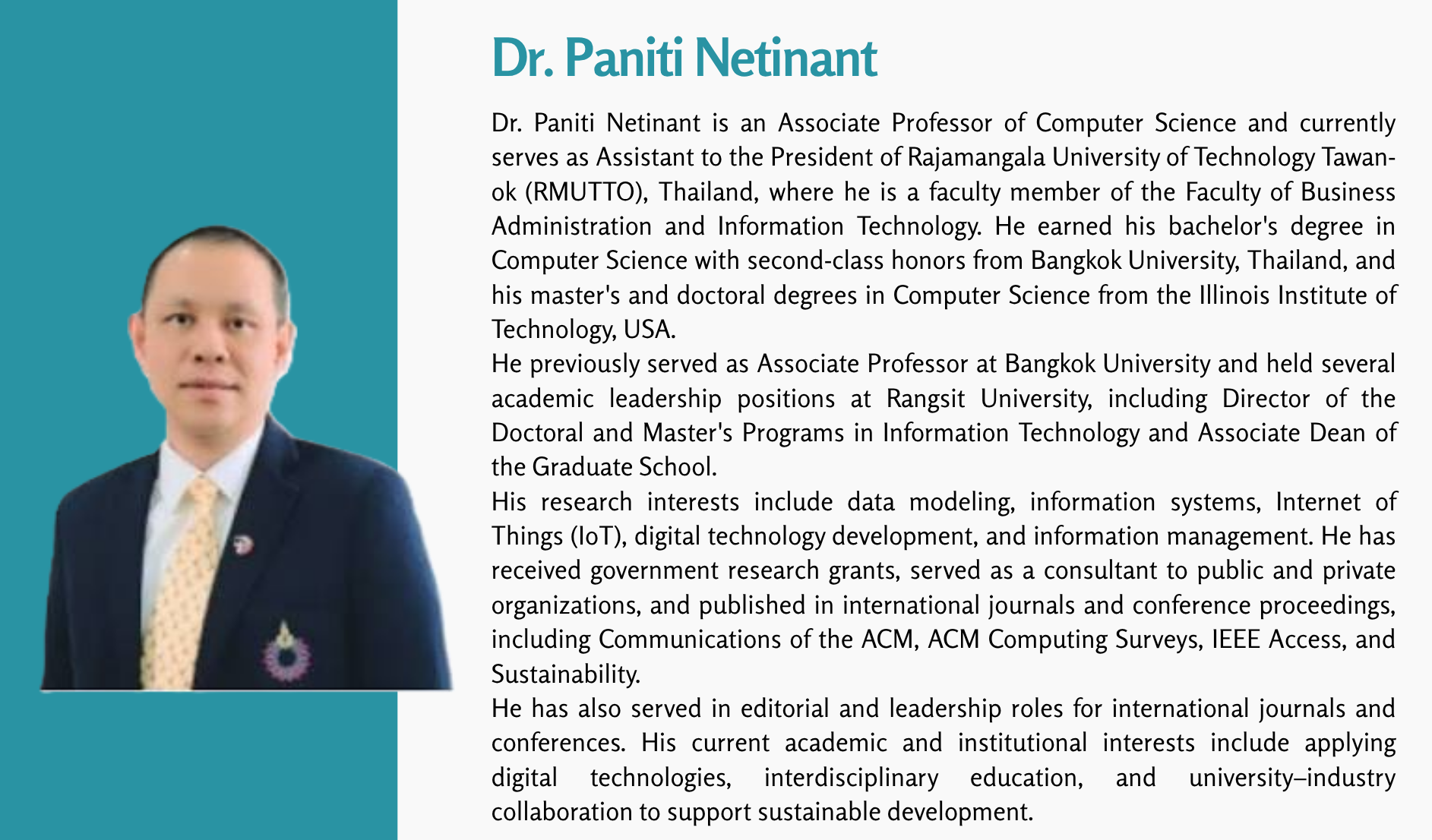
Abstract
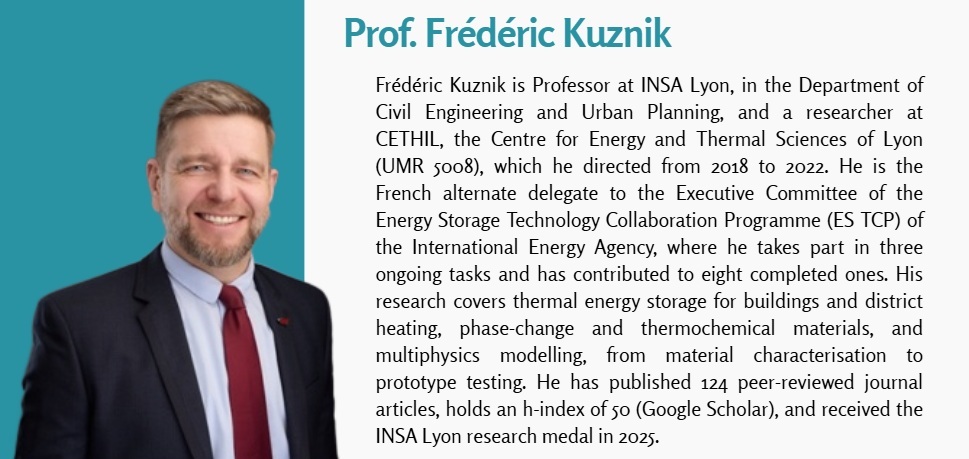
Heat is the largest single end use of energy in the world, and renewables supplied only about 14 % of global heat demand in 2024. In buildings and in the district heating networks that serve them, the low-carbon sources available are out of phase with demand, with a solar surplus in summer and a heating deficit in winter. Thermochemical storage holds energy in reversible chemical bonds rather than in a temperature difference. It therefore reaches the highest energy density of the three thermal storage families and loses essentially nothing while the reactants are kept apart, which is what makes seasonal storage realistic in a domestic-scale volume.
This keynote follows that promise from the material to the integrated system. It begins with the thermodynamic limits and the performance metrics that allow candidate working pairs to be compared honestly, then examines the low-temperature materials on which building and network storage depends: salt hydrates, sorbents and salt-in-matrix composites, together with the degradation mechanisms, deliquescence and agglomeration among them, that govern cyclability. It then turns to what separates a promising material from a working battery, namely the choice between open and closed reactor architectures, the coupled heat and mass transfer that limits power density, and the balance of plant whose parasitic loads erode round-trip efficiency.
The last part moves to the system. Building demonstrators show that ambient humidity, control strategy and climate determine the delivered seasonal solar fraction as much as the material does. At community scale, the large water pits of solar district heating already prove the seasonal logic, and a thermochemical store could provide the same service in a far smaller volume, with techno-economic assessments placing it near 10 USD per kilowatt-hour thermal by 2050 if it passes through demonstration. Most systems today sit between the laboratory and demonstration stages, and the barriers of durability, power density and reactor cost are engineering problems rather than physical limits. The presentation closes on the conditions under which that transition can be made.
Abstract
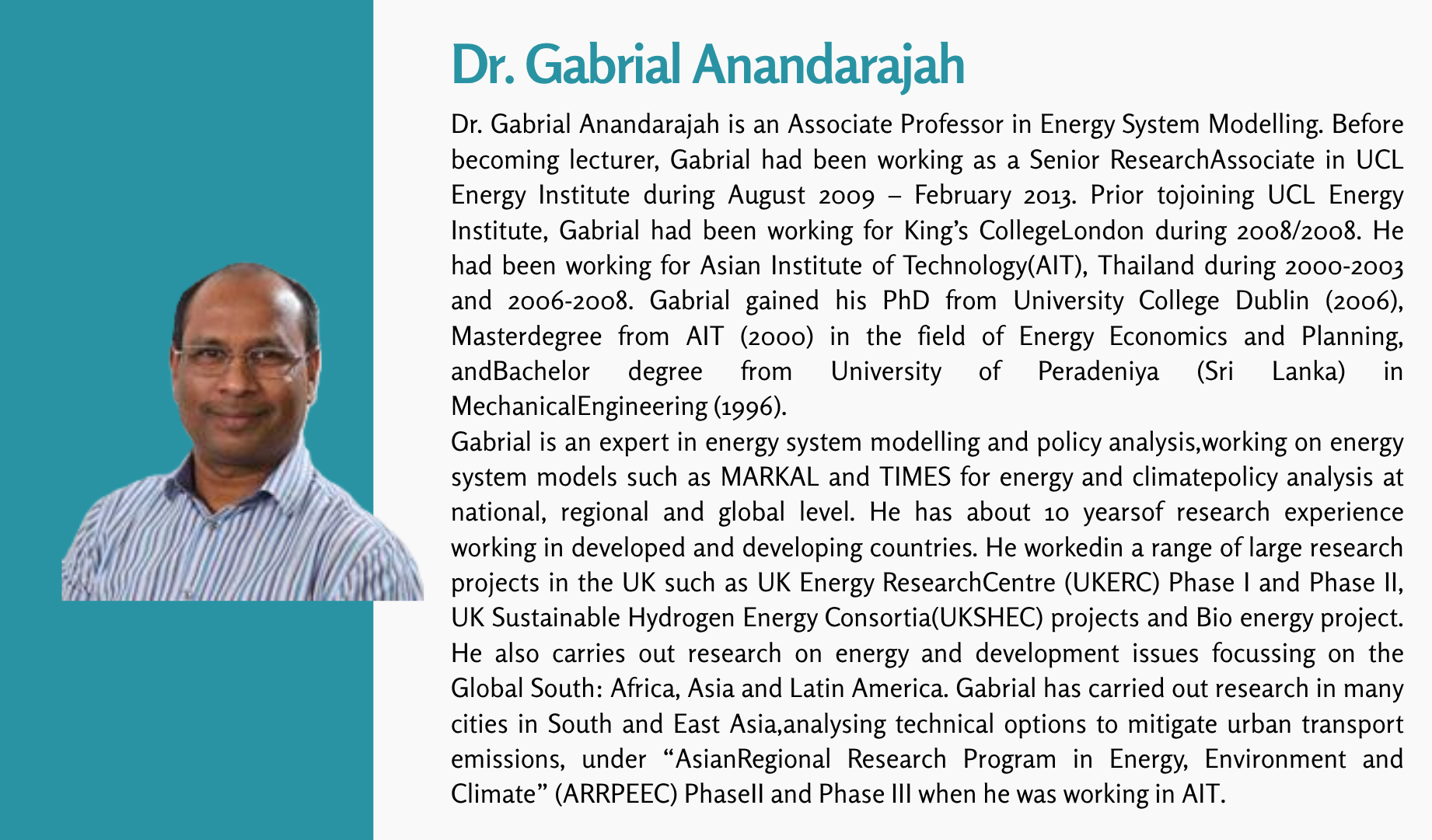
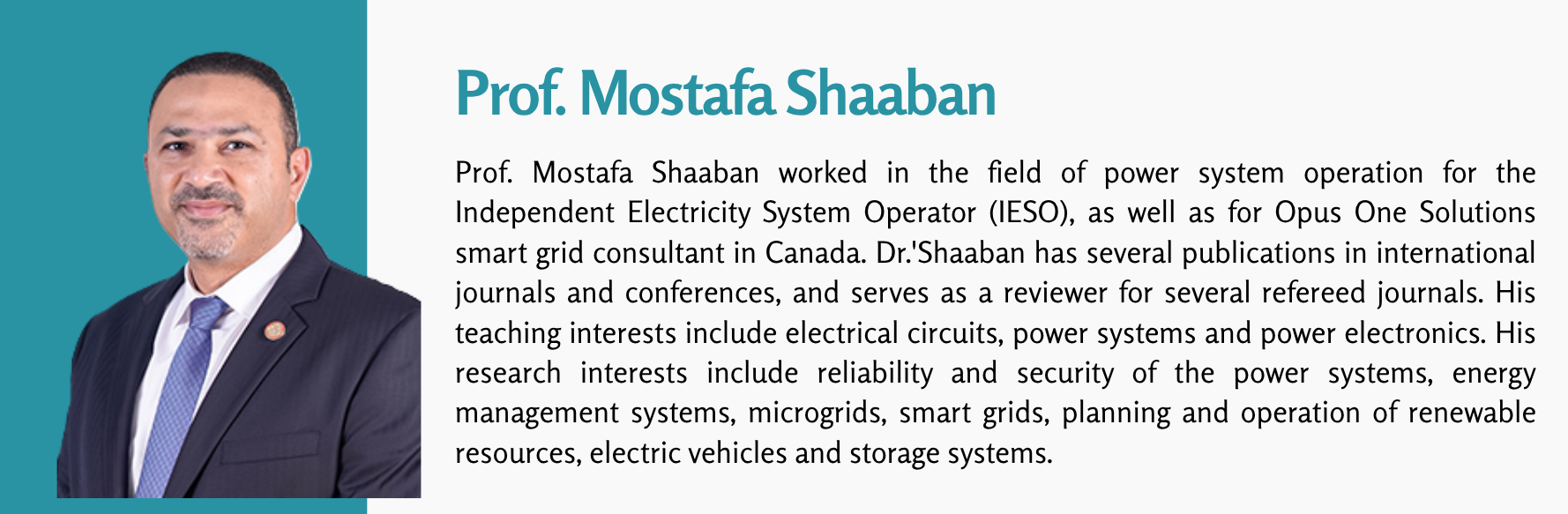
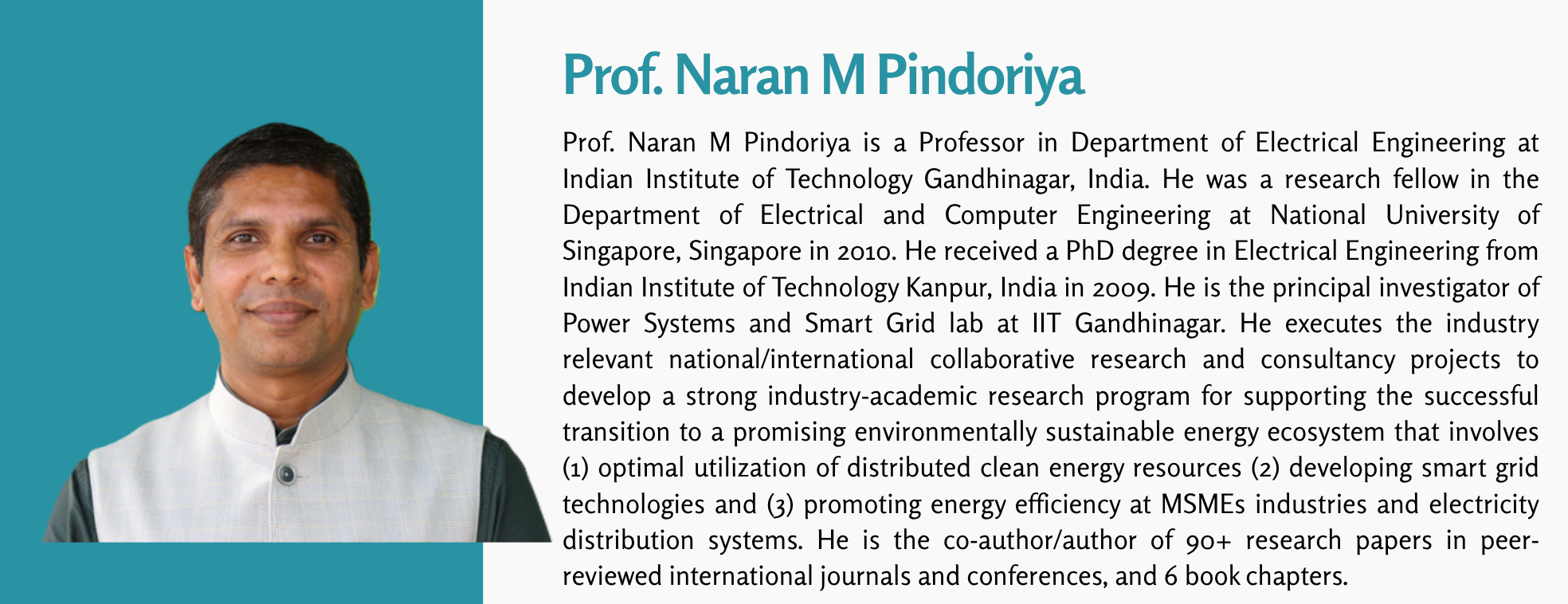
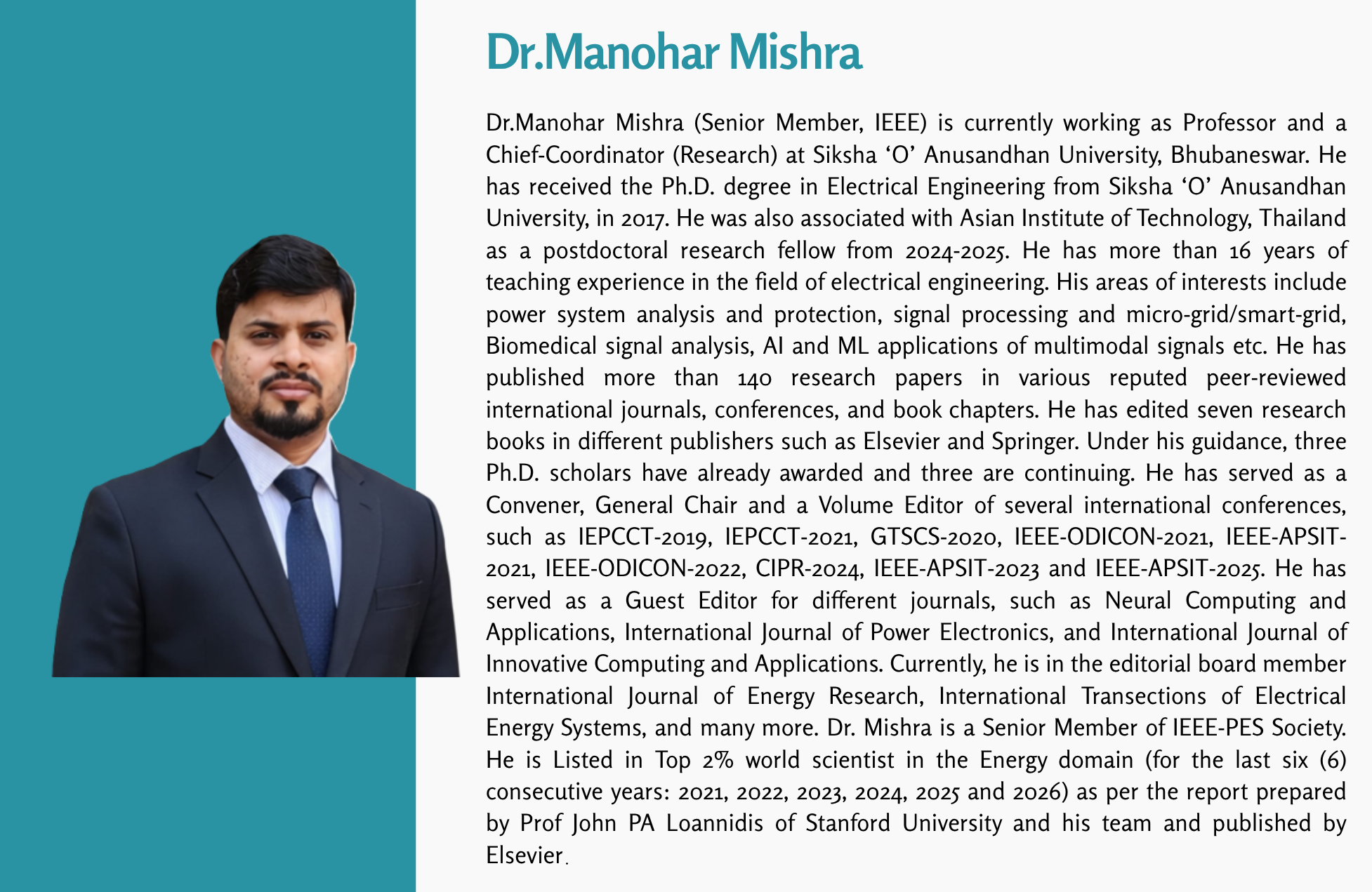
As Asia accelerates its shift toward clean energy, the traditional energy landscape is transforming rapidly. This panel explores the critical intersections of the modern Energy Trilemma: maintaining grid reliability, ensuring economic affordability, and achieving climate sustainability. Integrating higher shares of variable renewable energy introduces complex challenges for power systems, markets, and infrastructure. Panelists will focus on essential levers including energy storage, smart grids, demand response, grid flexibility, energy diversification, and regional cooperation. The discussion will examine how policy, technology, and innovation can collectively balance these three priorities to enable a secure, affordable, and sustainable clean energy transition.
Moderator
Panel Speakers
Abstract
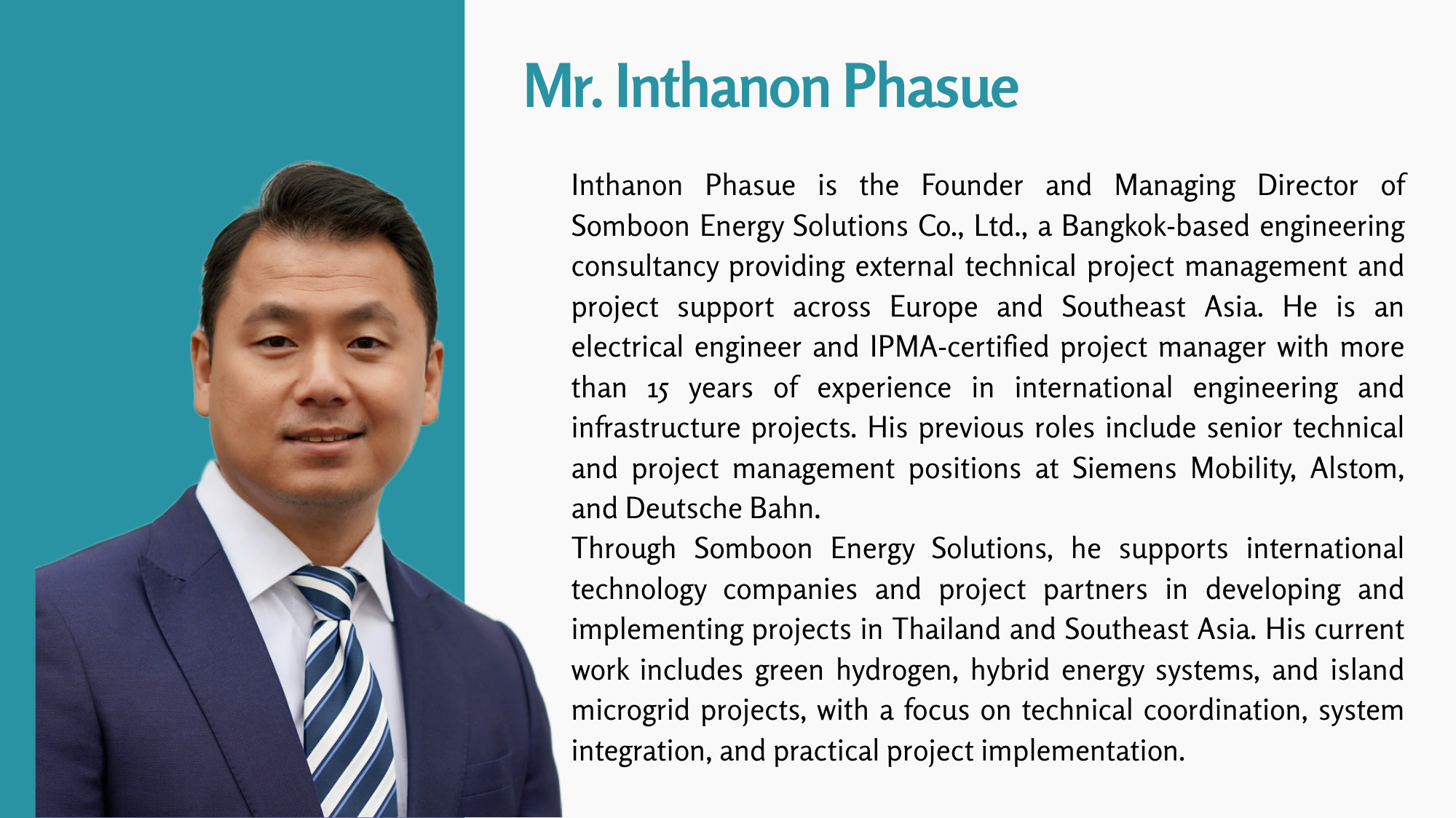
Green hydrogen can play an important role in industrial decarbonization and the energy transition. However, high costs and practical challenges still limit its use in many applications.
This keynote explores where green hydrogen can already create value, with a focus on decentralized energy systems in Thailand and Southeast Asia. Using examples from island microgrids, feasibility studies, and ongoing energy projects, the presentation explains how hydrogen can work together with solar power and battery storage to improve energy security, reduce diesel use, and provide backup power for longer periods.
The keynote also looks at the technical and financial challenges of developing these systems, including system integration, project costs, and local implementation. The main message is simple: successful hydrogen projects start with the right application, a clear business case, and a practical plan for implementation.
Abstract
As Asia pursues economic growth while addressing climate change, this panel will explore pathways to accelerate the transition towards net zero, including renewable energy, energy efficiency, electrification, and low-carbon technologies of key sectors. It will examine how policy frameworks, innovative financing mechanisms, technological advancements, and regional cooperation can overcome barriers to implementation, mobilise investment, and scale up solutions. The discussion will focus on translating net-zero ambitions into practical, inclusive, and economically viable actions while ensuring energy security and affordability across Asia.
Moderator
Panel Speakers
Abstract
The global energy transition is driving power systems toward unprecedented levels of renewable-energy penetration, converter-interfaced generation, and transportation electrification. These developments are fundamentally changing the dynamic behaviour, planning requirements, operational practices, and stability characteristics of electric power systems. Traditional engineering approaches developed for synchronous-generator-dominated networks are increasingly insufficient to address the challenges emerging in converter-dominated and highly digitalised grids.
This tutorial provides a comprehensive overview of the technologies, methods, and analytical frameworks required for the next generation of power systems. The tutorial begins by introducing the transformation from conventional synchronous-machine-based networks toward systems dominated by grid-forming converters and inverter-based resources. It presents advanced voltage-stability assessment techniques based on P-V and Q-V analysis using future scenarios for the Great Britain transmission system, highlighting the impact of large-scale deployment of Grid-Forming (GFM) converters and Extended Virtual Synchronous Machine (eVSM) control strategies on system security and reactive power margins.
The tutorial then explores converter-driven stability phenomena through impedance-based stability assessment methodologies. It discusses both single-connection and multi-connection analyses, showing how interactions among multiple grid-forming converters can create stability challenges that conventional approaches alone cannot identify. Practical applications based on future Great Britain network scenarios illustrate the need for system-wide stability assessment in converter-rich power systems.
A second major topic focuses on transportation electrification and its impact on electricity distribution networks. Drawing on real-world studies from the National Autonomous University of Mexico (UNAM) distribution network, the tutorial presents methodologies for hosting-capacity assessment, charging infrastructure planning, digital-twin modelling, and quasi-dynamic simulation of battery-electric bus fleets. It examines how large-scale electric-bus charging affects network loading, voltage performance, and infrastructure utilisation, alongside practical strategies for integrating charging facilities while minimising network reinforcement requirements.
Finally, the tutorial introduces Artificial Intelligence applications for power-system monitoring and operational awareness. Participants will learn how synchrophasor measurements, modal analysis, interpretable machine learning, probabilistic calibration, and event-classification techniques can be combined to improve situational awareness and support secure system operation. Special emphasis is placed on explainable AI methodologies that produce reliable and actionable information for power-system operators.
By integrating stability assessment, transportation electrification, digital-twin technologies, and artificial intelligence into a single framework, this tutorial provides attendees with a holistic view of the emerging challenges and opportunities associated with future power-electronics-dominated power systems. The tutorial is intended for researchers, utility engineers, system operators, industry practitioners, and postgraduate students interested in the operation, planning, and control of future sustainable energy systems.
Speaker